
Export
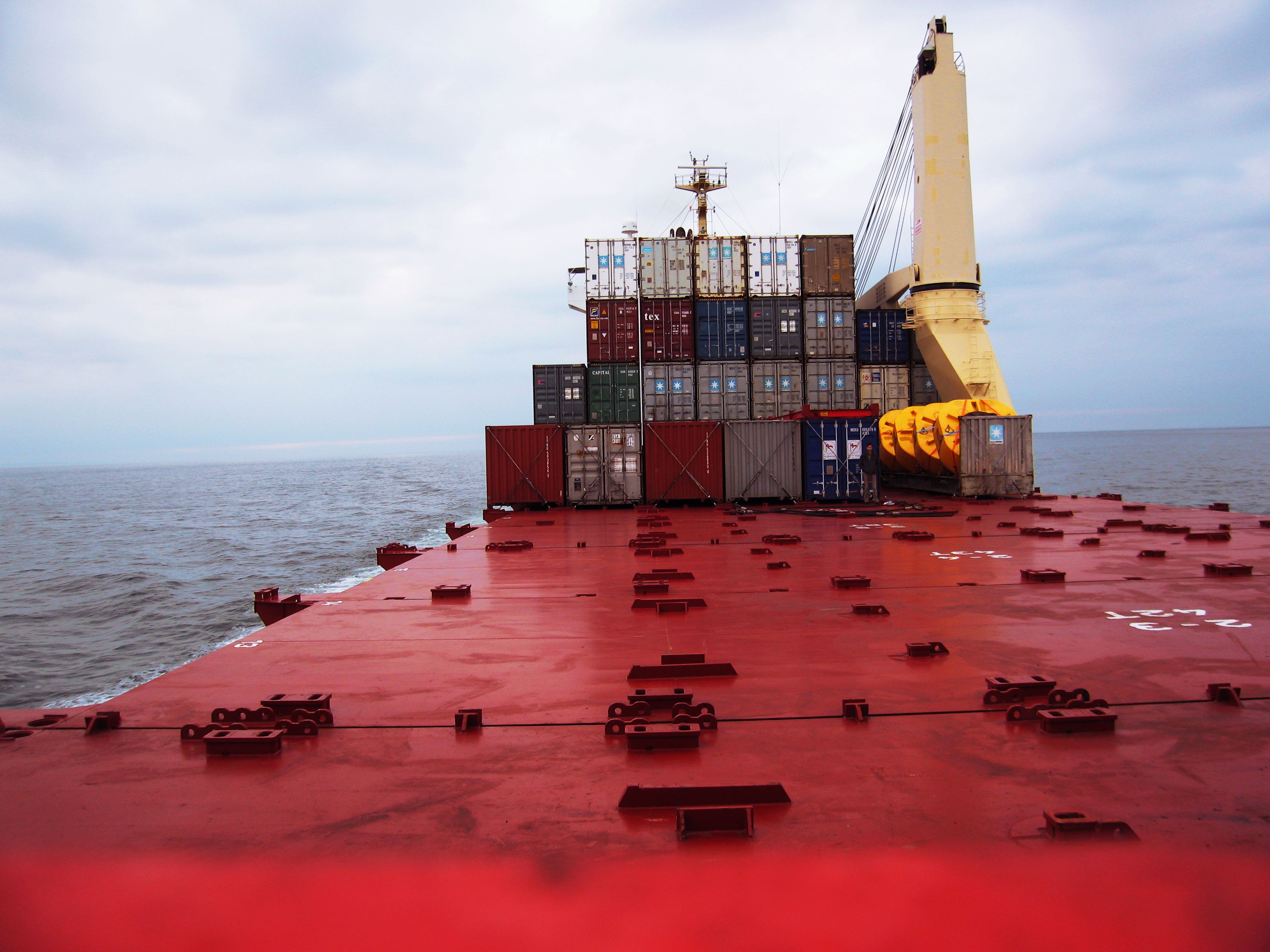
Loading seagoing vessels incorrectly – too one-sided, too unevenly or too much weight due to erroneous specifications – can result in personal injury, damage, losses, accidents or even disintegration of the vessel itself. The international community therefore amended the 1974 International Convention for the Safety of Life at Sea (SOLAS) so that as of 1 July 2016 vessels may only be loaded with containers whose weight has been verified.
_bearbeitet.jpg?auto=format)
The Swiss Maritime Navigation Office (SMNO) developed a solution for the new requirements in alignment with the needs of Switzerland's export industry. This was carried out together with Spedlogswiss, scienceindustries, Swiss Shippers Council and logistics companies Panalpina and Fiege.
The shipper is responsible for verifying the weight of the containers, which can be established via one of two methods:
Method 1: Physical weighing
The loaded and sealed container is weighed using gauged and calibrated scales approved for Switzerland.
Method 2: Theoretical calculation
The weight is determined theoretically based on accurate data concerning the consignment weight(s), packaging, stowage and securing material as well as container tare. If this method is used, at least one of the following criteria must be met: ISO certification (all standards), AEO (Authorised Economic Operator) certification or IT-supported planning systems (MRP, ERP) in operation.
Documents
Contact
Elisabethenstrasse 33
P.O.Box
Switzerland - 4010 Basel